
While that image still exists, the reality of modern livestock production in the United States is a far more complex and scientifically driven industry. It's a multi-billion dollar enterprise that blends biology, technology, and logistics to feed a nation.
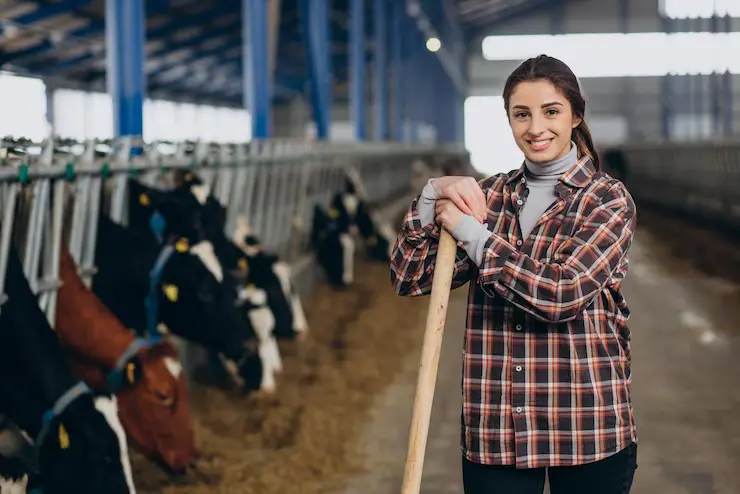
From the massive feedlots of Texas to the family-owned dairies of Wisconsin and the poultry houses of the Delmarva Peninsula, livestock farming is a diverse field that offers a wide spectrum of career opportunities. It's no longer just about "feeding the cows"; it's about animal nutrition, genetics, facility management, and environmental stewardship.
This article explores the different layers of the US livestock industry and the people who keep it running.
The Three Pillars of Livestock Production
The career paths in livestock farming can be grouped into three main areas, each with its own set of challenges and required skills.
1. Animal Husbandry & Direct Care:
This is the heart of livestock farming. These individuals are responsible for the health, well-being, and productivity of the animals. Their work is hands-on and requires a keen eye for animal behavior and health.
- The Science Behind It: Knowledge of animal nutrition is critical to formulate rations that maximize growth or milk production. Understanding reproductive science is key for breeding programs, often now involving artificial insemination (AI) and genetic selection. Basic veterinary skills are a must for preventing and treating common illnesses.
- Typical Roles: Herd Manager, Swine Barn Technician, Poultry House Manager, Milker, Shearer.
2. Operations & Technology:
Modern farms are essentially small-to-medium sized businesses that rely heavily on technology. This category covers the people who manage the infrastructure, the data, and the logistics.
- The Science Behind It: This involves precision agriculture technology, such as automated feeding systems, robotic milkers, and environmental control computers in poultry and swine barns that regulate temperature, humidity, and ventilation. It also includes data analysis for tracking animal growth rates, feed efficiency, and profitability.
- Typical Roles: Feedlot Operator, Equipment Technician, Agronomist (growing feed), Dairy Plant Manager, Drone Operator (for herd monitoring).
3. Management & Agribusiness:
These are the decision-makers who oversee the entire operation, from financial planning to marketing. They must understand commodity markets, government regulations, and the complex supply chain that gets meat, milk, and eggs from the farm to the consumer's table.
- The Science Behind It: Requires a strong understanding of agricultural economics, risk management (hedging against price fluctuations), and environmental science to comply with regulations on waste management and water quality.
- Typical Roles: Farm Owner, Production Manager, Supply Chain Coordinator, Livestock Buyer for a processing plant.
Salary Ranges in US Livestock Farming
Compensation in livestock farming is as varied as the roles themselves. Salaries depend heavily on the type of livestock (dairy, beef, swine, poultry), the scale of the operation (family farm vs. large corporation), and the employee's education and experience. As with traditional ranching, many positions, especially those in direct animal care, come with non-monetary benefits like on-site housing, meat, and utilities.
The figures below are estimates based on data from the US Bureau of Labor Statistics, agricultural universities, and industry job postings. They represent the conditions in the United States.
| Job Category | Job Title | Experience/Education | Average Annual Salary (USD) | Typical Notes |
|---|---|---|---|---|
| Animal Husbandry | Livestock Farmworker | Entry-Level / High School | $28,000 - $38,000 | Often hourly ($14-$18/hr). Entry-level position for feeding, cleaning. May be seasonal. |
| Animal Husbandry | Herd Manager (Dairy/Beef) | Mid-Level / Experience or Assoc. Degree | $45,000 - $65,000 | Oversees breeding, health, and nutrition of the herd. Often includes housing. |
| Animal Husbandry | Poultry House Manager | Mid-Level / Experience | $40,000 - $60,000 | Manages all aspects of a broiler or layer house, including climate control and bird health. Bonus potential based on performance. |
| Operations & Tech | Swine Barn Technician | Mid-Level / Technical Training | $38,000 - $55,000 | Responsible for daily care, but also for maintaining automated feeding and ventilation systems. |
| Operations & Tech | Precision Ag Specialist | Mid-Level / Bachelor's Degree | $55,000 - $75,000 | Analyzes farm data, manages software for feeding/robotics, and troubleshoots high-tech equipment. |
| Management | Feedlot Operations Manager | Senior-Level / Bachelor's Degree | $70,000 - $110,000+ | Oversees all aspects of a large cattle feeding operation, from animal health to feed procurement and personnel. |
| Management | Dairy Farm Manager | Executive-Level / Bachelor's Degree | $80,000 - $130,000+ | Manages the entire dairy operation, including herd, crops, finances, and staff. Profit-sharing and a full benefits package are common. |
A Note on the Data: Salaries in the "Management" category can vary dramatically. Managers of large, corporate-owned farms (with thousands of animals) can earn salaries that compete with other industries, while managers of smaller, family-owned operations may earn less but have a greater share in the equity of the business.
The Future of Food
The face of American livestock farming is changing. It is becoming increasingly technological, data-driven, and specialized. The modern livestock farmer is as likely to hold a tablet as a pitchfork. For those interested in biology, technology, business, and the outdoors, it offers a unique and vital career path—one that is essential to feeding a growing global population. It is a challenging but deeply rewarding field that connects science, nature, and commerce in a way few other industries can.